by Gianfranco Conti, PhD. Co-author of 'The Language Teacher toolkit', 'Breaking the sound barrier: teaching learners how to listen', 'Memory: what every teacher should know' and of the 'Sentence Builders' book series. Winner of the 2015 TES best resource contributor award, founder and CEO of www.language-gym.com, co-founder of www.sentencebuilders.com and creator of the E.P.I. approach.
The study of modern foreign languages in the UK has experienced a notable decline in recent decades, with German being particularly affected. Once a widely taught and respected subject, German has seen a sharp drop in student enrollment at both GCSE and A-level. Various interrelated factors contribute to this decline, including teacher shortages, policy changes, perceived difficulty, and limited opportunities for cultural immersion. This article explores the key reasons behind the decreasing popularity of German in UK high schools, drawing on research-backed evidence to highlight the challenges and potential solutions.
1. Significant Reduction in Student Enrollment
Over the past decade, there has been a notable decrease in students opting for German. For instance, A-level entries for German have almost halved, dropping from 3,999 in 2013 to 2,186 in recent years. Similarly, GCSE entries have declined from 36,933 in 2021 to 34,966 in 2023. (Source: British Council, The Guardian)
2. Shortage of Qualified German Teachers
The diminishing number of students has led to a reduced demand for German teachers, resulting in a shortage of qualified educators. This scarcity is exacerbated by Brexit, which has led to many native German-speaking teachers leaving the UK. (Source: The Guardian)
3. Policy Changes Impacting Language Learning
In 2004, the UK government removed the requirement for students to study a foreign language at GCSE level. This policy shift led to a significant decline in language learning, with German being particularly affected. (Source: British Council, House of Commons Education Committee Report)
4. Perception of German as a Difficult Language
German is often perceived as more challenging compared to other languages like Spanish – the latter requires 600 hours of study to achieve fluency, whilst the former requires 750 (see note 1 below). This perception discourages students from choosing German, contributing to its decline. (Source: Education Policy Institute)
5. Socioeconomic Disparities in Language Education
There is a growing social divide in language learning. While over half of private schools teach at least two languages in Key Stage 3, fewer than one in five state schools do the same. This disparity has disproportionately affected German, with state schools less likely to offer it compared to independent schools. (Source: British Council, Language Trends Report 2024)
6. Limited Cultural and Educational Exchanges Post-Brexit
The UK’s withdrawal from the Erasmus+ program has reduced opportunities for cultural and educational exchanges with German-speaking countries, diminishing students’ exposure to the German language and culture. (Source: The Guardian, British Council)
7. Overemphasis on Grammar in German Teaching
Research suggests that German teachers in the UK tend to prioritize grammar instruction over communicative skills, which can discourage students and make the language feel overly technical. A 2023 study found that many German teachers follow traditional grammar-focused methods, emphasizing rules and structure instead of real-world conversational skills. Similarly, L1 Research highlights that the study of grammar teaching methods in German is methodologically underdeveloped, leading to an excessive focus on grammar at the expense of communicative fluency. This approach can contribute to students perceiving German as too difficult and choosing other languages instead.
8. Perceived Lack of Practical Application
Students often question the real-world applicability of learning German, especially if they do not see immediate benefits or opportunities to use the language. This perceived lack of practicality can diminish motivation and interest in German lessons. Teachers can address this issue by integrating real-life scenarios such as role-playing activities in travel situations, or business settings. Encouraging interactions with German-speaking communities through virtual exchanges or guest speakers can enhance students’ exposure to authentic language use. Utilizing multimedia resources, including films, music, and podcasts, can make lessons more engaging and culturally relevant. Highlighting career opportunities and facilitating study abroad programs can also demonstrate the tangible benefits of learning German. By adopting a project-based learning approach and incorporating gamification elements, educators can create more interactive and meaningful learning experiences that emphasize practical language use. (Source: British Council, Education Endowment Foundation)
Conclusion
The decline of German as a foreign language in UK high schools is the result of multiple interwoven factors, including declining student enrollment, a shortage of qualified teachers, policy changes, and a perception of German as a difficult and impractical language. The lack of cultural exchange opportunities and an overemphasis on grammar-based instruction further contribute to student disengagement. Addressing these issues requires a multifaceted approach, including curriculum reforms, enhanced teacher training, and initiatives to promote the cultural and practical benefits of learning German.
To make German more appealing, educators should prioritize gamification in lessons, incorporating interactive challenges, digital tools, and competitions that enhance engagement and motivation. Additionally, shifting the focus from rigid grammar accuracy to fluent communication through chunk-based learning—where students are taught phrases and expressions as functional units—can help develop confidence and spontaneity in speaking. By embedding these strategies into German language instruction, schools can foster a more dynamic and immersive learning environment that rekindles students’ interest in the language and ensures its continued presence in UK education.
Note 1: According to the US Foreign Service Institute, German takes about 750 hours due to cases, complex word order, and pronunciation.
The retention crisis among Modern Foreign Language (MFL) teachers in the UK has become an increasingly pressing issue, with many educators leaving the profession due to a combination of systemic challenges. Research from 2023 and 2024 highlights multiple interrelated factors driving this exodus, ranging from recruitment shortages and high workload demands to the broader impact of Brexit on language education. Additionally, a decline in student engagement, limited professional development opportunities, and disparities in school resources further exacerbate the issue. Crucially, teacher self-efficacy—or a teacher’s confidence in their ability to deliver effective instruction—has also emerged as a significant factor influencing retention. Understanding these challenges in depth is essential for shaping policies that support MFL teachers and sustain language education in the UK.
1. Recruitment Challenges and Teacher Shortages
The under-recruitment of MFL teachers remains a significant issue in the UK. In the 2023/24 academic year, only 33% of the target number of MFL trainee teachers were recruited, leading to a severe shortage of qualified language educators (thebritishacademy.ac.uk, tes.com, nfer.ac.uk). This ongoing recruitment gap means that schools often struggle to fill MFL teaching positions, creating instability within language departments and increasing pressure on existing staff.
Moreover, approximately 60% of schools reported challenges in hiring qualified language teachers, with 33% of state schools describing it as a “major issue” (thebritishacademy.ac.uk, britishcouncil.org). The limited availability of trained MFL teachers puts strain on the profession, making workloads heavier and reducing the overall quality of language instruction.
2. Increased Workload and Stress
One of the most commonly cited reasons for teacher attrition in the UK is workload. Full-time secondary teachers in England reported working an average of 49.3 hours per week, well above the OECD average of 41 hours (commonslibrary.parliament.uk). This excessive workload includes lesson planning, marking, administrative tasks, and extracurricular responsibilities, leaving teachers with little time for rest or professional development.
A significant proportion of teachers also feel that their workload is unmanageable, contributing to job dissatisfaction and burnout (commonslibrary.parliament.uk). The pressure to meet targets, combined with increased scrutiny from school inspections and performance measures, further compounds stress levels. For MFL teachers, the added challenge of preparing lessons in a second language can make the job even more demanding.
3. Impact of Brexit
Brexit has had profound consequences on the recruitment and retention of MFL teachers in the UK. One of the most notable impacts has been the reduction in the pool of native speakers available to teach in UK schools. With the end of free movement, fewer language specialists from the EU are choosing to work in the UK, leading to an increased reliance on non-native teachers (edgwareassociates.com).
Additionally, Brexit has made international recruitment more difficult due to new visa requirements and reduced EU funding for education programs (tes.com). These barriers have contributed to teacher shortages and increased workload for existing staff, further discouraging new recruits from entering the profession.
4. Decline in Student Interest and Perceived Subject Difficulty
Another significant factor affecting MFL teacher retention is the decline in student interest in language learning. Many schools have reported decreasing enrollment in MFL subjects, partly due to the perception that languages are more difficult than other subjects and offer fewer career benefits (edgwareassociates.com). This declining interest can make MFL teachers feel undervalued and disconnected from their role, leading to frustration and job dissatisfaction.
Additionally, MFL subjects have been graded more harshly compared to other disciplines, discouraging students from pursuing them further (tes.com, nfer.ac.uk). This grading disparity has a knock-on effect on teachers, who may feel disheartened when their students struggle to achieve high marks despite their efforts.
5. Limited Professional Development and Support
Professional development opportunities play a crucial role in teacher retention, yet many MFL teachers in the UK report insufficient access to continued professional development (CPD) (britishcouncil.org). Without adequate CPD, teachers may struggle to keep up with new pedagogical approaches, language proficiency, and curriculum changes, leading to frustration and decreased job satisfaction.
Disparities in funding and resources between independent and state schools further contribute to the issue. Independent schools often have more resources for international exchange programs, language assistants, and immersive learning opportunities, whereas many state schools lack such support (thebritishacademy.ac.uk). This imbalance can leave MFL teachers in under-resourced schools feeling isolated and unsupported.
6. Low Teacher Self-Efficacy and Confidence
Recent research highlights low self-efficacy as a significant reason why MFL teachers leave the profession in the UK. Many early-career MFL teachers experience a lack of confidence in their teaching ability, particularly in managing classroom challenges and delivering effective language instruction (onlinelibrary.wiley.com). If not addressed, these initial struggles can contribute to early career departures from the profession.
Although some teachers report an increase in self-efficacy as they gain experience, those who continue to feel ineffective in their roles are more likely to leave teaching (onlinelibrary.wiley.com). Furthermore, teachers who perceive their own language proficiency as inadequate may struggle with self-doubt, reducing their motivation to continue in the profession (jltr.academypublication.com). Addressing self-efficacy through mentorship programs and professional development is crucial for improving teacher retention.
Conclusion
The ongoing challenges facing MFL teachers in the UK highlight the urgent need for targeted interventions to improve recruitment, retention, and overall job satisfaction. Addressing workforce shortages requires increased incentives for teacher training, while tackling excessive workload and grading disparities can improve working conditions. Moreover, providing structured professional development and mentorship opportunities can help boost teachers’ self-efficacy, ultimately reducing burnout and attrition. As Brexit continues to limit the availability of native speakers in the UK, language education policies must adapt to support non-native teachers effectively. Without meaningful action, the decline in MFL teaching staff will continue to impact language learning in schools, limiting students’ access to multilingual education. By acknowledging these challenges and implementing supportive measures, the UK can work toward a more stable and resilient MFL teaching workforce.
Furthermore, the failure of initiatives such as the National Centre for Excellence for Language Pedagogy (NCELP) and the National Consortium for Languages Education (NCLE) has made matters worse. These initiatives aimed to improve MFL teaching through evidence-based strategies and curriculum reform but have struggled to gain widespread implementation in schools. Many teachers have found NCELP’s approach restrictive, overly focused on grammar and translation at the expense of communicative fluency, making lessons less engaging for students. Similarly, the NCLE has failed to provide the necessary systemic support for language teachers, leaving many feeling unsupported and without adequate resources. The lack of tangible improvements from these initiatives has further exacerbated the retention crisis, contributing to teacher frustration and attrition.
Without meaningful action, the decline in MFL teaching staff will continue to impact language learning in schools, limiting students’ access to multilingual education. By acknowledging these challenges and implementing supportive measures, the UK can work toward a more stable and resilient MFL teaching workforce.
References
The British Academy. (2023). Language Learning in Schools: Recruitment and Retention. Retrieved from thebritishacademy.ac.uk
TES. (2023). Why MFL Teacher Shortages Are Increasing. Retrieved from tes.com
NFER. (2024). Teacher Labour Market in England Annual Report. Retrieved from nfer.ac.uk
British Council. (2023). The State of Language Education in the UK. Retrieved from britishcouncil.org
House of Commons Library. (2023). Teachers’ Workload and Retention. Retrieved from commonslibrary.parliament.uk
Edgware Associates. (2023). The Impact of Brexit on MFL Teaching. Retrieved from edgwareassociates.com
Wiley Online Library. (2023). Self-Efficacy in MFL Teachers. Retrieved from onlinelibrary.wiley.com
Journal of Language Teaching Research. (2024). The Role of Self-Efficacy in Teacher Retention. Retrieved from jltr.academypublication.com
Teaching chunks in Modern Foreign Languages (MFL) has been extensively supported by research as more effective for developing fluency than traditional, isolated word-based methods. Learners consistently indicate that their primary goal in language learning is to communicate naturally and fluently (Chambers, 2007; Dörnyei & Ushioda, 2011). Given this priority, teaching lexical chunks—ready-made phrases, collocations, and sentence stems—is logical and pedagogically sound. Research by Pawley & Syder (1983) demonstrates clearly that fluent language users rely heavily on prefabricated chunks. Consequently, this article synthesizes robust research evidence highlighting why prioritizing chunks significantly enhances fluency.
Research Evidence Supporting Chunk-Based Learning
Below are eight key research studies highlighting the effectiveness of chunk-based teaching and their implications for teaching. The studies are summarised in Table 1, below.
1. Pawley & Syder (1983) – The Role of Formulaic Language in Fluency
Key Findings:
Native speakers rely heavily on prefabricated lexical chunks instead of constructing sentences from scratch.
The ability to retrieve ready-made expressions is a key factor in fluency and natural-sounding speech.
Learners who focus on chunks reduce hesitation and improve their speaking speed.
Implication for MFL Teaching: Prioritizing frequently used phrases allows learners to develop more natural and confident speech.
2. Lewis (1993) – The Lexical Approach
Key Argument:
Fluency is lexically driven, meaning that learners need multi-word chunks rather than isolated words.
Instead of teaching grammar explicitly, learners should absorb grammatical structures through chunk exposure.
Implication for MFL Teaching: Teachers should focus on common phrases and collocations (e.g., “Je voudrais…” in French or “Me parece que…” in Spanish) rather than isolated words and grammar drills.
3. Nation (2001) – The Relationship Between Chunks and Comprehension
Key Evidence:
Learners who are familiar with frequent lexical chunks process spoken and written language more efficiently.
Using pre-learned phrases improves both listening and reading comprehension by reducing the need for word-by-word decoding.
Implication for MFL Teaching: Teaching high-frequency expressions enhances both receptive (listening/reading) and productive (speaking/writing) skills.
4. Ellis (2002) – Implicit Learning and Statistical Learning
Key Findings:
Learners pick up grammatical patterns naturally by repeatedly encountering chunks in context.
The brain detects frequent structures in language, making chunk-based learning more effective than explicit grammar instruction.
Implication for MFL Teaching: Exposure to language input (e.g., conversations, texts, media) flooded with the same chunks helps learners internalize grammar implicitly.
5. Boers et al. (2006) – Comparing Chunk-Based Learning and Traditional Word Learning
Study Results:
Learners who were taught chunks rather than isolated words showed greater fluency and recall.
Those using chunks spoke more smoothly and accurately, while those who learned words individually struggled to construct sentences in real time.
Implication for MFL Teaching: Focusing on common phrases and set expressions accelerates fluency development.
6. Erman & Warren (2000) – The Role of Formulaic Language in Speech Efficiency
Key Findings:
Between 50% and 80% of natural speech consists of formulaic chunks.
Learners who use chunks are more fluent and efficient than those who rely on word-by-word sentence formation.
Implication for MFL Teaching: Teaching high-frequency expressions provides learners with a shortcut to fluency.
7. Conklin & Schmitt (2012) – The Cognitive Load Advantage of Chunks
Study Results:
Learners recognize and process formulaic expressions faster than individual words.
Using chunks reduces cognitive load, allowing for more natural speech production.
This finding aligns with Cognitive Load Theory (Sweller, 1988), which states that learners have limited working memory capacity. When learners are forced to construct sentences word by word, they overload their cognitive resources, leading to slower processing and less fluent speech. However, retrieving ready-made chunks bypasses this overload, enabling smoother and more efficient communication.
Implication for MFL Teaching: Teaching sentence stems, collocations, and fixed phrases reduces cognitive effort, freeing up mental capacity for higher-level language functions such as pronunciation, intonation, and spontaneity in conversation.
Table 1 – Summary of the above study findings and implications for teaching
Research Study
Main Findings
Implication for Chunk-Based Teaching
Pawley & Syder (1983)
Native speakers heavily use lexical chunks to speak fluently.
Prioritizing lexical chunks enhances speaking speed and reduces hesitation.
Lewis (1993)
Grammar is absorbed naturally through repeated chunk exposure.
Focus lessons on common phrases to intuitively develop grammatical accuracy.
Nation (2001)
Chunk familiarity greatly improves listening and reading efficiency.
Syntactic Priming: A Cognitive Explanation of Chunk Effectiveness
A key cognitive explanation supporting chunk-based instruction comes from research into syntactic priming. This phenomenon, identified in cognitive psychology by Bock (1986) and extensively studied by Pickering & Ferreira (2008), explains how exposure to certain sentence structures significantly increases the likelihood that learners will naturally reuse these structures in subsequent speech and writing. Thus, repeated exposure to chunks not only aids vocabulary retention but also actively primes learners to use the same grammatical patterns, effortlessly enhancing fluency and implicit grammar learning.
Additional Evidence: Peer-Testing
The effectiveness of chunk-based learning is further enhanced when combined with strategies like peer-testing, leveraging the protégé effect (Fiorella & Mayer, 2013). When learners teach chunks to their peers and carry out retrieval practice in pairs (testing each other), they consolidate their own understanding, improving retention and reinforcing fluency through active recall and explanation.
In EPI, gamified ‘Peer testing’ through oral retrieval practice activities features prominently in the pre-communicative phase of the Structured Production phase. In this post I suggest some of the many peer-testing activities you can stage.
Implications for teaching
Regularly providing students with language chunks primes them for fluent, accurate, and spontaneous language production. Flooding the input with the target chunks and providing tons of retrieval and communicative practice as we do in EPI, in order to obtain a lot of repeated processing (first through massed and subsequently through distributed practice), are two key instructional strategies to achieve fluency.
Teaching chunks should not exclude the explicit teaching of grammar. However, due to the above-described syntactic priming phenomenon, a lot of it will occur subsconsciously. This means that when you teach grammar after a series of chunk-teaching lessons involving modelling, receptive (listening and reading) and productive practice (speaking and writing), many of your students will have already noticed the most obvious structural patterns. And even if they haven’t, your explanation of the grammar underpinning the chunks (in lesson 5) will exact a much smaller cognitive load, as you will be reverse-engineering what they already know. For instance, after four Spanish lessons involving repeated processing – across all four language skills – of sentences where the adjective follows the noun (e.g. ‘Llevo una camiseta blanca’), it will be easier for your L1-English students to learn the underlying grammar rule.
Conclusion
Scientific research overwhelmingly confirms the superiority of chunk-based learning in developing fluency in Modern Foreign Languages. Evidence demonstrates that learners who prioritize lexical chunks:
Speak more fluently with reduced hesitations.
Rapidly comprehend spoken and written language.
Acquire grammatical structures intuitively without excessive explicit grammar instruction.
However, emphasizing chunk-based teaching does not imply writing off explicit grammar instruction. On the contrary, explicit grammar teaching remains a valuable component of language learning. While chunks naturally facilitate implicit grammar acquisition through repeated exposure, explicit grammar instruction can reinforce understanding, accuracy, and conscious language use. Thus, teaching chunks complements rather than replaces grammar teaching, offering learners a comprehensive and balanced learning experience. Those of you who may be concerned with whether prioritising fluency over grammar can significantly affect your students’ chances of obtaining a high grade at the new GCSE can rest assured that it is not necessarily going to be the case (read this post on the issue) – but remember: I am not suggesting you shouldn’t teach grammar!
In my methodology, Extensive Processing Instruction (EPI), chunk-based instruction provides the foundation for language acquisition, while explicit grammar teaching is seamlessly integrated throughout. EPI employs the comprehensive MARSEARS model (Modelling, Awareness-raising, Receptive processing, Structured production, Expansion, Autonomy, Routinely revisiting, Spontaneity), where grammar instruction can potentially permeate every stage both implicitly and explicitly. This approach is particularly beneficial for learners who enjoy explicit grammar instruction or exhibit aptitude in linguistic analysis. Thus, EPI allows educators to tailor instruction effectively, offering both implicit grammar exposure through chunks and explicit grammar teaching to meet diverse learner preferences.
Ultimately, chunk-based teaching—supported cognitively by the principles of syntactic priming and practically by peer-testing—provides an evidence-based foundation for achieving fluency. EPI and MARSEARS further offer a balanced framework, integrating implicit and explicit grammar instruction effectively, ensuring learners develop fluency, accuracy, and confidence simultaneously for sustained and meaningful language proficiency.
References
Agarwal, P. K., Bain, P. M., & Chamberlain, R. W. (2012). The value of applied research: Retrieval practice improves classroom learning and recommendations from a teacher, a principal, and a scientist. Educational Psychology Review, 24(3), 437–448.
Bock, K. (1986). Syntactic persistence in language production. Cognitive Psychology, 18(3), 355–387.
Boers, F., Eyckmans, J., Kappel, J., Stengers, H., & Demecheleer, M. (2006). Formulaic sequences and perceived oral proficiency: Putting a Lexical Approach to the test. Language Teaching Research, 10(3), 245–261.
Boers, F., & Lindstromberg, S. (2012). Experimental and intervention studies on formulaic sequences in a second language. Annual Review of Applied Linguistics, 32, 83–110.
Chambers, G. N. (2007). Motivating language learners. Multilingual Matters.
Conklin, K., & Schmitt, N. (2012). The processing of formulaic language. Annual Review of Applied Linguistics, 32, 45–61.
Dörnyei, Z., & Ushioda, E. (2011). Teaching and researching motivation (2nd ed.). Routledge.
Ellis, N. C. (2002). Frequency effects in language processing: A review with implications for theories of implicit and explicit language acquisition. Studies in Second Language Acquisition, 24(2), 143–188.
Erman, B., & Warren, B. (2000). The idiom principle and the open choice principle. Text & Talk, 20(1), 29–62.
Fiorella, L., & Mayer, R. E. (2013). The relative benefits of learning by teaching and teaching expectancy. Contemporary Educational Psychology, 38(4), 281–288.
Karpicke, J. D., & Roediger, H. L. (2008). The critical importance of retrieval for learning. Science, 319(5865), 966–968.
Lewis, M. (1993). The lexical approach: The state of ELT and a way forward. Language Teaching Publications.
Nation, I. S. P. (2001). Learning vocabulary in another language. Cambridge University Press.
Nation, I. S. P. (2013). Learning vocabulary in another language (2nd ed.). Cambridge University Press.
Pawley, A., & Syder, F. H. (1983). Two puzzles for linguistic theory: Nativelike selection and nativelike fluency. In J.C. Richards & R.W. Schmidt (Eds.), Language and communication (pp. 191–226). Longman.
Pickering, M. J., & Ferreira, V. S. (2008). Structural priming: A critical review. Psychological Bulletin, 134(3), 427–459.
Roediger, H. L., & Karpicke, J. D. (2006). Test-enhanced learning: Taking memory tests improves long-term retention. Psychological Science, 17(3), 249–255.
Schmitt, N. (2008). Instructed second language vocabulary learning. Language Teaching Research, 12(3), 329–363.
Sweller, J. (1988). Cognitive load during problem solving: Effects on learning. Cognitive Science, 12(2), 257–285.
Wray, A. (2002). Formulaic language and the lexicon. Cambridge University Press.
With the introduction of the new GCSE Modern Foreign Languages (MFL) curriculum in 2024, students and teachers alike have been considering how grammar influences the final grade, since many students in their classes cannot cope with the high volume of grammar required for the Higher Tier papers. Grammar has traditionally played a crucial role in language learning, as it underpins sentence structure, verb conjugation, and communication accuracy. However, the revised GCSE assessment model balances the evaluation of grammar, vocabulary, fluency, and receptive skills (Listening and Reading).
One of the questions I get asked the most in workshops about the new GCSE is: “Can one still achieve a Grade 7 in the new GCSE MFL exam if I prioritise vocabulary and fluent communication and my students are not great a grammar ?” This article explores the extent to which grammar impacts total marks, strategies for students who struggle with grammar, and why vocabulary, fluency, and receptive skills are just as—if not more—important for success.
The Role of Grammar in Each GCSE MFL Skill
Grammar plays a different role in each skill area of the exam. While it is explicitly assessed in the Speaking and Writing papers, its impact in Listening and Reading is more indirect. Below is a detailed breakdown of how grammar contributes to the total marks in each skill area.
Table 1: Grammar’s Impact on GCSE MFL Marks in Each Skill
Skill Area
Total Marks Available
Direct or Indirect Grammar Impact?
Estimated Grammar Contribution to Final Marks
Listening
50 marks (25% of GCSE)
Indirect – Students must recognize tenses and structures in spoken passages.
~5-10% (minimal)
Reading
50 marks (25% of GCSE)
Indirect – Grammar knowledge helps in understanding text nuances.
~5-10% (minimal)
Speaking
50 marks (25% of GCSE)
Direct – Grammatical accuracy is assessed in responses and pronunciation.
~20% (moderate)
Writing
60 marks (25% of GCSE)
Direct – Grammar is explicitly assessed in written tasks.
~20-25% (high)
How Can a Student with Weak Grammar Still Achieve a Grade 7?
Achieving a Grade 7 in the new 2024 GCSE MFL exam requires a balanced performance across all four skill areas (Listening, Reading, Speaking, and Writing). While grammar plays a role in Speaking and Writing, its influence is lower in Listening and Reading, which together account for 50% of the total marks. This means that a student who struggles with grammar can still achieve a Grade 7 by excelling in comprehension, fluency, and vocabulary use.
In Listening and Reading, understanding meaning is more important than grammatical accuracy. These skills primarily assess a student’s ability to identify key words, interpret meaning from context, and recognise common linguistic patterns. Since grammar is not directly tested, a student can compensate for weaknesses in grammatical accuracy by focusing on developing a strong vocabulary base and inference skills. Recognising chunks of language—ready-made phrases and expressions commonly used by native speakers—can significantly enhance comprehension, allowing students to predict meaning even when they do not understand every word.
In Speaking, fluency and the ability to communicate ideas naturally are crucial. One effective way to improve fluency, even with weaker grammar, is by memorising and using chunks of language. These include common sentence starters, opinion phrases, linking expressions, and question forms. By internalising and regularly using set phrases such as “Je pense que…” (I think that…), “Ce que j’aime, c’est…” (What I like is…), or “D’un autre côté…” (On the other hand…), students can avoid hesitation, speak more confidently, and reduce the likelihood of grammatical errors. Furthermore, demonstrating good pronunciation, using intonation appropriately, and self-correcting errors when necessary all contribute positively to the final score.
In Writing, while grammar is assessed explicitly, clarity and coherence remain key factors in achieving a high mark. Even if a student’s grammatical knowledge is not perfect, using well-structured and logically connected ideas, applying a range of vocabulary, and ensuring accurate spelling can still lead to a strong performance. Employing pre-learned chunks of language helps students write more fluently and accurately, reducing the risk of mistakes. For example, memorising set phrases for expressing opinions, structuring arguments, or making comparisons allows students to produce well-formed sentences with minimal effort. A clear, well-organised response is often more effective than a grammatically complex but error-filled one.
When doing the Foundation Tier paper, there is an additional opportunity to gain marks in a multiple-choice grammar section in the Writing paper. Even if grammar is a weak area, this section allows students to use logical reasoning and elimination techniques to secure some marks.
Conclusion: The Importance of Vocabulary, Fluency, and Receptive Skills
Ultimately, grammar alone does not determine a student’s final grade. A Grade 7 can still be achieved if the student performs well in Listening, Reading, fluency in Speaking, and clarity in Writing, even with some grammatical inaccuracies.
A strong vocabulary, confidence in communication, and good comprehension skills are just as important as grammatical accuracy in achieving success in the GCSE MFL exam. Remember: fluent vocabulary knowledge is what teacher need to prioritise the most, as it is the strongest determinant of success across all four skills.
Using chunks of language effectively as we teach students to do in EPI enhances fluency, increases accuracy, and provides students with the tools to communicate naturally, making it an essential strategy for those who struggle with grammar.
Key Takeaways:
Grammar is most important in Writing and Speaking, where it accounts for around 20-25% of marks.
Listening and Reading skills require good comprehension but do not have direct grammar assessments, meaning weaker grammar does not automatically lower one’s score.
Overall, grammar accounts for about 20% of total marks, meaning 80% of the final grade depends on other factors like vocabulary, fluency, and comprehension.
Teaching language by topics in Instructed Second Language Acquisition (ISLA) is a common approach, but research shows both advantages and disadvantages. Here’s a breakdown of the pros and cons based on current findings in ISLA literature:
Pros of Teaching Language by Topics
Enhanced Motivation and Engagement
Research suggests that topic-based instruction increases learners’ interest, as it connects language learning to real-life contexts (Dörnyei, 2009).
Topics can be tailored to learners’ interests, making learning more meaningful (this is key!).
Improved Vocabulary Retention
Thematic instruction helps learners acquire and retain vocabulary more effectively because words are introduced in meaningful contexts (Nation, 2001).
Semantic clustering within a topic can aid memory recall (Schmitt, 2008).
Supports Communicative Language Teaching (CLT)
Topics provide a natural framework for discussion, making it easier to integrate speaking and listening activities.
Encourages real-world language use and pragmatic competence (Ellis, 2005).
Promotes Deeper Processing
Learners are more likely to process language at a deeper cognitive level when it is linked to a coherent theme (Swain, 2005).
Supports meaningful interaction and content-based learning.
Facilitates Cross-Curricular Learning
Topic-based learning allows integration with other subjects (e.g., history, science), which can lead to content and language-integrated learning (CLIL) benefits (Dalton-Puffer, 2011).
Cons of Teaching Language by Topics
Limited Grammar Focus
Topic-based teaching often prioritizes vocabulary and communicative skills over explicit grammar instruction, which may hinder grammatical accuracy (DeKeyser, 2007), an issue that can be easily tackled through careful planning.
Some structures may not naturally arise in certain topics, leading to gaps in grammar coverage. Another issue that can be overcome through careful planning.
Potential Overload of Semantic Clustering
Research suggests that presenting too many related words at once (e.g., all fruit names) may hinder learning due to interference effects (Waring, 1997). This issue can be mitigated by selecting the target words in such a way that words which are too similar in meaning (e.g. ‘truck’ and ‘van’ are not taught in the same set).
Mixed or spaced exposure might be more effective than strict topic-based learning (Webb, 2007). Nothing stops a teacher from revisiting and reviewing material learnt during Unit 1 on topic A when teaching Unit 2 on topic B, especially if you sequence topics which are semantically related (e.g. Unit 1 = Leisure, Unit 2 = Healthy living, Unit 3 = My daily routine).
Lack of Systematic Progression
If not carefully planned, topic-based instruction may lead to gaps in linguistic knowledge because it doesn’t always follow a structured progression of difficulty (Pienemann, 1998).
Learners may struggle with cumulative language development if topics do not build on each other in a logical sequence. This issue and the previous one can, yet again, be solved through careful planning.
Difficulty in Addressing Individual Needs
Some learners may need specific grammatical structures or language functions that do not fit into the selected topics.
Individualized learning paths might be harder to implement within a fixed topic framework.
May Not Align with Standardized Testing Goals
Topic-based approaches might not cover all the grammar and vocabulary required in standardized assessments (Alderson, 2005). This requires some creativity on the part of the curriculum designer, but can be solved by embedding such items in texts and tasks.
Test-oriented learners may feel unprepared if explicit instruction is lacking and the topics are not aligned with the tests.
Conclusion
Teaching by topics can be highly effective for engagement, vocabulary acquisition, and communicative competence. However, for a balanced ISLA approach, it should be supplemented with explicit grammar instruction, varied input, and opportunities for structured language practice.
A hybrid approach that combines topic-based instruction with form-focused activities (e.g., EPI, task-based language teaching or focus on form) may offer the best outcomes (Ellis, 2016). The devil is always in the detail; if you are working towards a specific exam, you can always embed in whatever topic you have chosen to teach texts and activities containing language items extraneous to that topic. All you need is a bit of creativity, but it can be done. By breaking down a topic in sub-topics centred around communicative function, it is fairly easy to cover specific grammar structures.
As far as motivation is concerned, it is key to select topics and sub-topics which are relevant to the target children, as relevance is key. When the topics are mandated by the examination boards, then it is crucial to at least teach words the students are likely to be interested in learning. And when these words fall outside the lists mandated by the examination board, as may happen with the new MFL GCSE in England, one has to heed the children’s wants and strike a balance by adding some vocabulary items in the mix for relevance and motivation’s sake.
When it comes to the important issue of grammar progression, the curriculum deisgner needs to heed learnability theory (see this post of mine) and sequence the topics in such a way that the challenge stays always within the zone of optimal development. This doesn’t always happen with UK-published textbooks, where the selection of the grammar is quite random.
With regard to the interference issue, i.e. words from lexical sets centred on a given topic interfering with one another, research shows that it is mostly at play when words sound similar (‘jaune’ and ‘jeune’ in French) or when they have similar meanings (e.g. ‘mignon’ and ‘joli’ in French). Also, the evidence that such interference occurs comes mainly from lab experiments where the target words are mostly taught out of context, and in lists. In my experience, if words are taught multimodally, including using unambiguous visual aids, in learnable amounts, in context and through the multiple encounters with the words suggested by research (e.g. 15 minimum through the receptive skills) the issue is easily overcome.
Finally, as long as interleaving of key structures and vocabulary is concerned, it can be done even when teaching thematically. It is just a matter of selecting and sequencing the topics carefully; using my cumulative texts and tasks strategy; having an intelligent retrieval practice schedule in which language items from the various units are interleaved at space intervals, etc.
References
Alderson, J. C. (2005). Diagnosing foreign language proficiency: The interface between learning and assessment. Continuum.
Dalton-Puffer, C. (2011). Content-and-language integrated learning: From practice to principles? Annual Review of Applied Linguistics, 31, 182–204.
DeKeyser, R. (2007). Practice in a second language: Perspectives from applied linguistics and cognitive psychology. Cambridge University Press.
Dörnyei, Z. (2009). The L2 motivational self system. In Z. Dörnyei & E. Ushioda (Eds.), Motivation, language identity and the L2 self (pp. 9-42). Multilingual Matters.
Ellis, R. (2005). Principles of instructed language learning. System, 33(2), 209-224.
Ellis, R. (2016). Focus on form: A critical review. Language Teaching Research, 20(3), 405-428.
Nation, I. S. P. (2001). Learning vocabulary in another language. Cambridge University Press.
Pienemann, M. (1998). Language processing and second language development: Processability theory. John Benjamins.
Schmitt, N. (2008). Review article: Instructed second language vocabulary learning. Language Teaching Research, 12(3), 329-363.
Swain, M. (2005). The output hypothesis: Theory and research. In E. Hinkel (Ed.), Handbook of research in second language teaching and learning (Vol. 1, pp. 471-483). Routledge.
Waring, R. (1997). A study of receptive and productive learning from word cards. Studies in Foreign Language Education, 12, 94–114.
Webb, S. (2007). The effects of synonymy on second-language vocabulary learning. Applied Linguistics, 28(1), 1-22.
L2 learners sometimes repeat sounds incorrectly due to a combination of cognitive, phonetic, and perceptual factors. Here are some key reasons why this happens, supported by research, which teachers who engage students in choral repetition need to be aware of in order to prevent the fossilization of errors. This is particularly important for teachers who practise the ‘Listen and repeat after me’ approach to the presentation of new lexical item with languages which may pose serious challenges in terms of pronunciation and do not regularly provide their students with a lot of rich aural input.
1. Why do some students repeat sounds incorrectly?
1. Phonological Filtering and L1 Interference
Learners subconsciously filter new sounds through their first language (L1) phonological system, leading to mispronunciations. If a sound does not exist in their L1, they may approximate it with the closest available phoneme.
Example: Spanish learners of English often pronounce /ɪ/ (as in “bit”) as /iː/ (as in “beat”) because Spanish lacks the distinction (Flege, 1995).
Research: Flege (1995) in the Speech Learning Model (SLM) suggests that L2 learners struggle with phonemes not present in their L1 due to established perceptual categories interfering with new sounds.
2. Misperception of Phonemes (Perceptual Assimilation)
Learners may fail to distinguish sounds in the target language if they are too close to one another. The Perceptual Assimilation Model (PAM) (Best, 1995) explains that if L2 sounds are similar to L1 sounds, they may be grouped together rather than learned as distinct.
Example: Japanese learners of English struggle to differentiate /r/ and /l/ because Japanese does not contrast these sounds phonemically.
Research: Best (1995) found that learners substitute sounds due to perceptual limitations, meaning they may not even “hear” the sound correctly before attempting to reproduce it.
3. Incorrect Articulatory Setting
Different languages require different mouth, tongue, and lip positions. L2 learners often apply their L1 articulatory settings, leading to mispronunciations.
Example: French speakers learning English often struggle with the /θ/ sound (“th” in “think”), replacing it with /s/ or /t/ because French lacks this articulation (Ladefoged & Maddieson, 1996).
4. Lack of Phonetic Awareness
Learners who are not trained in phonetics or explicitly taught the differences between sounds often rely on auditory approximation rather than accurate reproduction.
Example: Mandarin speakers learning English may hear the difference between /v/ and /w/ but still fail to produce it correctly without focused phonetic training (Iverson & Evans, 2009).
5. Influence of Spelling on Pronunciation
Learners may mispronounce words due to their written form, especially in languages with non-phonetic spelling (e.g., English). Hence, the value of Scripted Listening techniques, whereby the target lexical items are modelled simultaneously through the written and aural medium (see my post on the topic).
Example: French learners of English may pronounce “island” as /ˈaɪlænd/ instead of /ˈaɪlənd/ because the silent “s” misleads them.
Research: Bassetti & Atkinson (2015) found that spelling significantly influences L2 pronunciation errors, especially for learners from languages with more phonetic orthographies.
6. Memory and Cognitive Load
L2 learners store new phonological information in short-term memory and often recall it incorrectly when producing speech.
Example: A beginner English learner may misremember the pronunciation of “comfortable” and say /ˈkʌmfərteɪbl/ instead of /ˈkʌmftəbl/.
Research: Baddeley (1992) suggested that working memory plays a role in phonological recall, meaning that learners under cognitive load (e.g., conversation pressure) make more pronunciation mistakes.
7. Fossilization of Errors
If incorrect pronunciation is not corrected early, it can become fossilized and persist even in advanced learners. Learners tend to repeat errors they have practiced incorrectly over time unless they receive timely and effective feedback. One of the main risks of choral repetition is that, if done too soon, without a robust phonological awareness receptive phase, with lexical items containing unfamiliar or challenging sounds, errors may go unheeded because the teachers may not spot individual students’ mistakes.
Research: Selinker (1972) introduced the concept of fossilization, where certain L2 errors, including pronunciation, become ingrained despite continued learning.
2. Why do other students repeat sounds with greater accuracy?
1. Phonetic Perception Ability (PPA): Some learners have stronger phonetic discrimination skills, allowing them to accurately perceive and reproduce sounds (Iverson & Evans, 2009). Poor auditory processing can cause misperceptions that lead to incorrect pronunciation. Identifying early on in the language learning journey the students in your class with poor PPA is crucial, as this ability is key to effective vocabulary learning.
2. Working Memory Capacity. Higher phonological working memory (PWM) enables learners to hold and manipulate sounds in their mind before repeating them. Baddeley’s (1992) Working Memory Model suggests that learners with stronger phonological loops store and reproduce sounds more accurately. This has been corroborated by Service (1992), who found that learners with better phonological working memory had higher L2 pronunciation accuracy and vocabulary acquisition So, Learners with higher phonemic recall ability can repeat a complex French word like “développement” after hearing it once, while those with weaker working memory need multiple exposures
3. Cognitive Load and Anxiety – Some learners struggle with pronunciation under cognitive overload or performance anxiety. Speaking anxiety inhibits pronunciation accuracy, leading learners to simplify or distort L2 sounds. MacIntyre & Gardner (1994) found that L2 anxiety negatively affects pronunciation accuracy. Tend to avoid situations where students may be put in potentially embarrassing situations when repeating a word or phrase. For example, I observed a lesson recently, in which a student had to repeat a word uttered by the teacher and the other students had to correct them if the repetition was incorrect pointing out the mistake(s). Potentially a great critical listening activity, but one with the potential to upset some more sensitive students.
4. Motivation and Attention to Pronunciation -Highly motivated learners tend to focus more on pronunciation and self-correct errors. Low motivation or inattentiveness can lead to careless repetition. Dörnyei (2005) found that motivated learners pay more attention to phonetic details and improve pronunciation faster. Staging fun activities fostering ‘alertness to sound’, e.g. EPI’s ‘Faulty Echo’, ‘Fixy echo’, ‘Error auction’, ‘Contrast response’, ‘Spot the difference’ using songs, can be great in this respect. Having a sound of the week or any other initiative or activity which makes a big issue out of sound, placing the importance of sound firmly in the learners’ focal awareness, will be useful.
3. Implications for Instructed Second Language Acquisition (ISLA)
The research on why L2 learners mispronounce sounds has significant implications for Instructed Second Language Acquisition (ISLA). In structured classroom settings, understanding the cognitive, phonetic, and perceptual factors affecting pronunciation errors can help educators design better instructional strategies. Below are the key implications for ISLA based on the identified reasons for mispronunciations:
1. Need for Explicit Phonetic Instruction: include explicit phonetic training, especially for sounds that do not exist in the learners’ L1 (Flege, 1995).
Practical Strategy: Introduce phoneme discrimination activities such as Faulty Echo, Minimal pairs, Contrast response and many others mentioned in Conti and Smith’s (2019) ‘Breaking the sound barrier’ book.
Supporting Research:
Iverson & Evans (2009) found that targeted phonetic instruction improves L2 phoneme discrimination.
Bradlow et al. (1997) showed that high-variability phonetic training significantly enhances learners’ ability to perceive new sounds.
2. Importance of Perceptual Training Before Production
Implication: Before requiring students to speak, ISLA should focus on perception training to avoid learners reinforcing incorrect pronunciations.
Practical Strategy:
Use auditory discrimination exercises before asking learners to produce the sounds.
High-variability phonetic training (HVPT): Expose learners to multiple speakers pronouncing the same sound to enhance perception.
Supporting Research:
Lively, Logan, & Pisoni (1993) found that exposure to multiple phonetic variants improved learners’ perception and pronunciation.
Nishi & Kewley-Port (2007) demonstrated that training perception before production leads to greater phonological accuracy.
3. Correcting Articulatory Settings for Improved Pronunciation
Implication: ISLA should include articulatory training, teaching learners how to position the tongue, lips, and vocal cords correctly..
Practical Strategy:
Use visual aids (e.g., ultrasound images, phonetic charts) to show learners tongue and lip placement. In Conti and Smith (2019) we recommend the use of charts showing a cross-section of the mouth in order to enhance learner physical awareness of how sounds are produced
Implement kinesthetic techniques such as touching the alveolar ridge when teaching /ɾ/ in Spanish.
Supporting Research:
Ladefoged & Maddieson (1996) found that explicit instruction in articulatory settings helps learners produce difficult phonemes correctly.
Saito (2011) demonstrated that pronunciation instruction focusing on articulation improves learners’ accuracy in spontaneous speech.
4. Addressing Spelling-Pronunciation Confusion in ISLA
Implication: ISLA should explicitly teach the differences between written and spoken forms of words.
Practical Strategy:
Use silent letter recognition activities (e.g., teaching learners that “island” is pronounced /ˈaɪlənd/, not /ˈaɪlænd/). Write as you hear it and Rhyming pairs are also great activities for this.
Incorporate listening-focused spelling correction tasks to make learners aware of pronunciation irregularities.
Supporting Research:
Bassetti (2008) found that L2 learners over-rely on spelling when pronouncing words.
5. Managing Cognitive Load and Memory Constraints in Pronunciation
Implication: ISLA should introduce progressive learning sequences to reduce cognitive load.
Practical Strategy:
Use gradual exposure techniques, starting with simple syllable structures and moving to complex word formations.
Implement spaced repetition for pronunciation training.
Supporting Research:
Baddeley (1992) found that phonological working memory plays a critical role in language learning.
VanPatten (2004) suggests that limiting cognitive overload improves language processing
6. Preventing Fossilization of Pronunciation Errors
Implication: ISLA should provide frequent and immediate pronunciation feedback.
Practical Strategy:
Use repetition drills with corrective feedback to prevent errors from becoming entrenched.
Implement peer and self-monitoring techniques to promote awareness of mispronunciations.
Supporting Research:
Lyster & Saito (2010) found that recasting errors in pronunciation training prevents fossilization.
Saito & Lyster (2012) showed that learners who receive immediate feedback improve more quickly than those who don’t.
5. Conclusion
Mispronunciations in L2 learners are the result of L1 interference, misperception, articulatory habits, spelling influence, memory constraints, and lack of phonetic training. Targeted phonetic instruction, minimal pair training, explicit pronunciation correction, and perceptual training can help learners refine their pronunciation and avoid repeating incorrect sounds.
Designing a Modern Foreign Languages (MFL) curriculum is a complex process that requires careful planning and consideration. However, many curriculum designers fall into common pitfalls that hinder effective language learning.
Below are some of the most frequent errors I have identified over the last ten years of curriculum consultancy, during which I helped over 700 schools enhance their curriculum provision.
For those of you who would like to further their knowledge and understanding of the issues below by consulting the relevant literature, I have added references at the bottom of this article. You may, of course also attend my workshops, which you can find here: www.networkforlearning.org.uk in which I address every single one of the problem areas below.
Key shortcomings in Curriculum Design
1. Lack of Consideration of the Specific Lacks, Wants, and Necessities of Learners
This is one of the most common mistakes and a very serious one. We know that the more aligned a curriculum is with the lacks, wants and necessities of our students, the more likely it is to succeed (Nation and Macalister, 2010). Relevance to the learners is one of the key predictors of a language curriculum’s success (Taylor and Marsden, 2012).
Sadly, in my experience, curriculum design often fails to account for the diverse needs of learners, resulting in a one-size-fits-all approach that does not address their specific linguistic goals. Language learners come with varying levels of prior knowledge, different motivations, and unique learning preferences. When these factors are ignored, the curriculum may be either too advanced or too simplistic, leading to disengagement and frustration (Brown, 2009).
This is very common in many schools I visit, especially those which:
(1) base their curriculum on a textbook. Textbooks are not designed with the specific needs of your learners in mind, especially if your children are from a lower socio-economic stature and/or a diverse religious and ethnic background
(2) belong to a government, trust (e.g. UK) or other organization where there is a centralised curriculum
Example: within the same U.K. academies trust, the latter bases its centralised curriculum on the schemes of learning of a school in a predominantly ‘white’, fairly affluent area, even though many schools are located in very diverse, underprivileged areas.
Solution: Conduct a needs analysis through surveys, interviews, and proficiency tests to determine learners’ goals and requirements (Graves, 2000). If you are in secondary, liaise with the primary feeder schools in your area to find out as much as possible about your future year 7 students. Try to make the content of your curriculum asrelevant to the students as possible based on your findings. In schools I worked at, we would ask the students through a Google form or classroom discussions, ahead of teaching a unit, what words they were interested in learning on a given topic or what scenario they would like to learn the new topic in (e.g. in the topic of talking about the recent past, my students on one occasion chose ‘An outing to a cinema’ and ‘A birthday party I went to’ over other options). If your students are from a lower socio-economic status and/or have low literacy levels, teaching a grammar-rich curriculum may not be a good idea. If your students’ levels of motivation to learn languages are historically low, what can you do to ignite their motivation? You may need to include more gamification; scaffold instruction more carefully and prioritize oracy. If they come from an area where xenophobic attitudes are rife, you may need to dispel negative stereotypes about the target-language country through a number of curricular and extracurricular initiatives. If your students are not generally good at retaining information how can your address that through your short-, medium- and long-term planning? You may have to strip down your curriculum of the superfluous and multiply the recycling opportunities. If you have the stomach, do create your own booklet tailor-made for your student population, rather than work from a textbook. Many schools in the UK are doing this very successfully.
2. Lack of Consideration of the Learning Context
A curriculum that does not align with the learning environment often fails to be effective. The resources available, the frequency of instruction, the socio-economic status of your students, the mission and core values of your school, the national curriculum, the classroom space available, the cultural background of the learners, the colleagues you work with, the language you are teaching etc. all influence how well your students can acquire a new language. A curriculum designed for an immersive setting may not work well in a setting with limited exposure to the target language, leading to unrealistic expectations (Nation & Macalister, 2010).
Example: A curriculum based on grammar-translation designed for an expensive private school in Switzerland with highly motivated and well-behaved upper middle-class children, may not work as well in a deprived inner-city area school in London with serious behavioural challenges.
Solution: conduct a thorough SWOT analysis of the hurdles to successful learning in your environment. Consider the top five factors that work against you and ask yourself: does your curriculum actually tackle those issues? E.g: if, historically, motivation is low, has your curriculum been designed with an eye to be as engaging, relevant and self-efficacy building as possible? If your students only see you one hour a week, are you sure that you can sustain the pace dictated by the textbook? If not, what are you going to prioritise? How are you going to recycle it? With what frequency ? As far as the language being taught is concerned, let me point out another very common mistake: the ‘translation’ of a curriculum from one language into another with identical or near-identical objectives, outcomes and pace. This is not a massive mistake when one is adapting a Spanish curriculum to Italian. It is, however, a serious mistake when one demands that L2 learners of Mandarin or Russian achieve in one term what learners of French or Spanish do. Sadly, I have seen this play out quite a few times in Academy Trusts around the UK.
3. Too Many Objectives
This is another very common and serious issue which I observe in nearly every single school I visit. As Confucious one said, if one runs after too many chickens, one will catch none. With only a couple of hours’ contact time a week, one needs to be realistic and prioritize what is more and less important for the learners.
Overburdening a curriculum with too many learning objectives can result in rushing through content which in turn will likely cause cognitive overload, where learners struggle to retain and apply new information. A curriculum that attempts to cover too much within a short time often sacrifices depth for breadth, leaving students with fragmented knowledge that lacks real-world applicability (Richards, 2001).
Example: A course that tries to cover all the grammar content in a typical Pearson or OUP textbook in one year may lead to students memorizing rules but failing to apply them in spontaneous conversation or writing.
Solution: Prioritize key competencies and distribute learning objectives across different stages of the course. Focus on high-frequency structures first and reinforce them before moving on to more complex grammar. Implement mastery-based progression, ensuring students have grasped a concept before moving on. Use spaced repetition techniques to reinforce previously learned concepts.
4. Fuzzy Goals
This is the most serious error of all. As Nation and Macalister’s (2010) model below (Figure 0) shows, goals sit right at the heart of the curriculum design process. Hence, they need to be as laser-focused as possible, as unclear learning objectives make it difficult for students and teachers to track progress effectively. Goals that lack specificity often lead to instructional inconsistencies, where teachers may interpret and teach content differently. This can result in learners missing critical skills necessary for their language development (Dörnyei, 2005).
Figure 0 – Nation and Macalister’s (2010) model of curriculum design. The curriculum goals sit at the centre of the curriculum design process and are informed by principals, learner needs and the learning environment.
Look at the learning objective and outcomes you currently set in your department for each of the four skills for each and every term: are they detailed enough for anyone reading them to have a very clear and thorough understanding of what a child is expected to know and do, from the vocabulary, grammar, phonics, intercultural skills and learning strategies they need to master, to the tasks in which they are expected to use them? Is it explicitly stated whether the learning of a specific grammar point will reach the level of awareness, intermediate mastery, deep mastery or automaticity? If not, how will Ms Roberts know to what extent Mr Jones’ students now in her year 10 class have acquired the core grammar taught from year 7 to 9?
Example: ‘By the end of year seven, an average student at XXX School is expected to be able to understand the gist of AURAL and WRITTEN texts, containing familiar and unfamiliar language’ is a vague outcome. Compare it with the statement in Figure 1 below
Figure 1: Example of a well-articulated learning outcome
Solution: Use SMART (Specific, Measurable, Achievable, Relevant, Time-bound) objectives. Ensure that the way your articulate your objectives and outcomes is as laser-focused, detailed and clear as humanly possible.
5. Imbalance of the Four Strands
A well-balanced MFL curriculum should equally address understanding meaning, communicating meaning, focus on form (grammar and phonics), and fluency. Many curricula have the following deficits in this area:
(1) they disproportionately focus on grammar drills or rote vocabulary memorization while neglecting communicative competence, resulting in learners who can understand written text but struggle to speak or listen effectively (Nation, 2007).
(2) they do not include a solid fluency strand, which means that the core vocabulary and grammar is not learnt to a level of automaticity which makes its retention durable and its availability in the aural/oral skills possible.
(3) listening, the most challenging skill, especial in the GCSE and A-Level exams, is not practised sufficiently
Example: Students who can conjugate verbs in writing but hesitate to form basic spoken sentences.
Solution: Ensure lessons integrate listening, speaking, reading, and writing while maintaining an equal focus on meaning, form, and fluency. Design activities such as role-plays, interactive listening tasks, and communicative writing exercises to promote holistic language development. Use task-based learning to encourage real-world language use.
Figure 2 – Paul Nation’s four strands
6. Inadequate Integration of vocabulary, grammar and phonics
When vocabulary, grammar, and phonics are taught in isolation rather than in context, learners struggle to apply their knowledge not only in real-world scenarios but also in exams where they are required to perform under great pressure (especially in listening and speaking). For instance, students may learn a set of vocabulary but fail to use them in grammatically correct sentences, leading to poor practical language use (Ellis, 2008) or they may learner grammar rules without using them with a substantive range of vocabulary.
Quite a few schools I have collaborated with recently were making the mistakes of teaching towards the new GCSE treating Vocabulary, Grammar and Phonics as three self-standing entities. This is becoming quite common due to the new English GCSE, where teachers feel their students need to memorize the mandated word lists in order to pass the exam. However, such words must be learned in context and across all four language skills in order to be useful on the day of the exam!
Figure 3: Integration of Vocabulary, Grammar and SSC (phonics) within the MARS EARS sequence
Example: A student learns vocabulary in a list but cannot use them correctly when forming sentences in conversation.
Solution: The best way to integrate Vocabulary, Grammar and Phonics is by designing input-to-output sequences in which these three ‘pillars of progression’ are modelled and practised in context across all four language skills in a scaffolded fashion (e.g. the MARSEARS and the PIRCO sequences)
Figure 4 – The PIRCO sequence is the input-to-output sequence adopted in EPI at KS4 (14 to 16 year olds).
7. Random Selection of Grammar and Vocabulary
The selection of grammar and vocabulary should not be random as it might
(1) fail to generate motivation to learn (relevance being key in this regard)
(2) dent learner self-efficacy (by being beyond the current grasp of the learners)
(3) have little surrender value
Solution: select language items which are likely to generate interest on the learners’ part (the principle of relevance); also select high-frequency items (remember that the top 2,000 words in a language give access to 85% of any generic text); finally, consider learnability issues (see point 8 below).
8. Selection of Grammar Without Considering Developmental Readiness
Selecting grammatical structures and vocabulary without a logical sequence can hinder students’ ability to build upon previously learned content. If learners encounter advanced structures before they have mastered basic ones, they may become confused and demotivated (Pienemann, 1998). This point refer to the issue of learnability (see this post), e.g.: are my L2-French learners ready in year 8 to learn the full conjugation of the perfect tense in ETRE or Reflexive verbs? Most likely no because they often cannot even conjugate the present tense of ETRE and have not mastered the basic rules of agreement (in spontaneous production at least).
Example: Teaching conditional sentences before students have fully grasped past and present tenses.
Solution: Follow a logical sequence based on frequency of use and communicative necessity. Implement structured syllabus planning where new grammar and vocabulary items build progressively upon previously learned concepts. Consider the factors (e.g. cognitive load, L1 negative transfer, element interactivity) which make the learning of a grammar structure challenging.
9. Insufficient Scaffolding
This is the second most serious mistake of all: without adequate scaffolding, students become overwhelmed and lack the confidence to engage with the language meaningfully. Effective scaffolding gradually reduces support as learners gain proficiency (Vygotsky, 1978). This means that every phase in an instructional sequence that moves from modelling to receptive practice and from the latter to production, needs to build on the previous one following the formula: ‘what the learners know + 1‘.
Sadly, most textbooks do not do this; in a two-page sub-unit, they cover the same vocabulary across all four language skills with zero scaffolding! Since many MFL departments base their schemes of learning on textbooks operating this way, it is not surprising that many language learners lose motivation by the end of the first year of language learning.
Solution: Make sure that you design instructional sequences with an intensive modelling and receptive phase first. With beginners, you should devote one or more lessons entirely to listening and reading in order to first establish solid receptive knowledge. Go to production only when you feel the students are ready, scaffolding speaking and writing adequately starting with highly structured tasks and gradually moving to freer ones. You do not have to cover all four language skills; in many cases such practice does more harm than good.
10. Content Overload and Inadequate Recycling
This is possibly the third most serious mistake I encounter in my curriculum consultancy work. When too much content is covered we create at best surface-level learning rather than deep mastery. Vocabulary requires masses of recycling in order to be acquired and most information we learn (around 67%) is lost after one day from initial learning. Also, since memory is context-specific (the TAP phenomenon), vocabulary needs to be recycled across as many contexts as possible in order to be truly useful and as multimodally as possible.
There are serious misconceptions about the amount of recycling required in order to learn a word amongst many language educators in the UK. Not long ago I watched a video-recorded session of a CPD session on curriculum design at a Teacher Talk Radio event in Manchester delivered by a seasoned MFL consultant, in which she asserted that learning a word requires six repetitions/encounters. Truth is: students may need 40 meaningful encounters at least across all four language skills, at least 7 to 10 through reading, 10 to 16 through listening, about 20 to 40 through the oral and written media. If a veteran consultant – who incidentally also happens to be a school inspector and a former principal – believes that all you need in order to learn a word is six repetitions…
Figure 5: the Ebbinghaus curve illustrates how fast the brain forgets newly-learnt information. The rate is likely to be higher when it comes to more complex grammar structures
Example: the books Vivo, Studio and Dynamo cover way too much grammar for students at that level of proficiency to master deeply enough for them to retain it durably and provide insufficient recycling, especially through listening and speaking, where 10-15 and 20-40 encounters are required, respectively for learning.
Solution: Plan for at least 40 encounters across all four language skills in the first instructional sequence devoted to a set of new language items, then revisit and review said items following a well-planned schedule over the weeks and months to come, gradually spacing out retrieval episodes.
11. Assessment Overload and Overreliance on Summative Assessment
Too many assessments can lead to test fatigue and stress while taking away valuable instructional time. Over-assessment often results in a focus on test performance rather than meaningful learning (Black & Wiliam, 1998).
When assessment is focused primarily on summative tests, students miss opportunities for ongoing feedback that supports learning. Summative assessment alone does not provide insights into students’ progress throughout the course (Harlen, 2007). Summative assessments, especially high-stake ones at the end of term, can be particulalry harmful with less able and motivated younger learners, who are the ones we want to include and win over!
Example: A curriculum that requires students to take weekly grammar tests, oral exams, and written essays, leaving little time for communicative practice.
Solution: Reduce summative assessment to the minimum and increase the amount of regular low-stake formative checks using mini whiteboards (e.g. quickfire translations or Q &As); through observations of student pairwork; surveys; self-reflection journals and peer assessments. Reduce high-stakes exams and incorporate more diverse and meaningful forms of assessment that measure language use in real-life situations.
13. Lack of Systematic Curriculum Evaluation
A curriculum that is not periodically reviewed and updated may become ineffective over time. Without evaluation, instructional gaps may persist, and best practices may not be incorporated (Richards, 2017). The data obtained through regular summative and formative assessment are useful but not sufficient.
Example: A common phenomenon I observe in the schools I work with is the fact that the students need to be re-taught in year 10 (4th year of secondary education in the UK) many of the fundamental grammar structures already taught in the previous years. It is obvious that if that is the case for several years running, that there is something majorly wrong with the curriculum that needs to be addressed.
Solution: Conduct regular feedback sessions with teachers and students, analyze performance data, and update the curriculum accordingly. Ensure that curriculum changes reflect new research findings and evolving language learning needs. You should ideally do a formal curriculum evaluation at the end of each term if you are introducing a new curriculum plan, where you triangulate various sources of data, e.g. student voices; test results; teacher feedback; students’ output in books and portfolios.
14. Lack of Intentional Design for Learner Self-Efficacy
Learner self-efficacy or can-do attitude plays a crucial role in motivation and language acquisition. In fact, according to Oxford Univeristy’s professor Macaro, it is the strongest predictor of language learning success (Macaro, 2007). If a curriculum does not build self-efficacy, the learners will disengage from the learning process (Bandura, 1997).
Many of the issues I have pointed out so far, especially inadequate scaffolding, content overload, poor recycling, selecting content the students are not developmentaly ready for and over-assessment undermine student self-efficacy.
Example: engaging your students with an aural text which is well below the 95% comprehensibility threshold without a substantive pre-listening phase familiarising it with the unknown vocabulary
Solution: since self-efficacy is the strongest predictor of language learning success, try to design a curriculum which puts the development of learner self-efficacy first. Imagine a curriculum where your main preoccupation is ensuring that the vast majority of your students develop a strong belief that they can indeed master the target language. Would such a curriculum look different from the one you are currently teaching? At the end of each term, administer a survey to find out how self-efficacious your students feel.
Figure 6 – in 2015 The Guardian reported the results of a survey as to why language learners drop languages at GCSE. The data clearly point to a self-efficacy deficit
15. The MFL team does not share a common set of pedagogical principles
Very rarely have I come across an MFL department where the team shared a common set of non-negotiables pedagogical principles. How can teaching be consistent across a Dept without a common set of principles?
Solution: adopt a set of evidence-based principles which, whilst being non-negotiables, do not stifle teacher creativity. See the ones in the table below, from Smith and Conti (2023)
Figure 7
Principles of effective curriculum design
Figure 8 below, lists 15 evidence-based principles for effective curriculum design, based on my review of the relevant literature. With your current language curriculum in mind, which areas do you believe you need to address? Which ones are the top 3 that you may need to prioritize?
Figure 8 – Curriculum Design principles
Conclusions
Designing an effective MFL curriculum requires careful planning, evidence-based approaches, and continuous evaluation. The pitfalls outlined above can significantly impact language acquisition and student engagement, leading to frustration and poor retention of material. By addressing these common errors, educators can create a curriculum that fosters meaningful communication, encourages engagement, and ensures long-term retention of language skills.
A well-designed curriculum should balance linguistic skills, integrate key learning strands, scaffold learning effectively, and focus on the needs of the learners. In addition, formative assessments and continuous reflection should be embedded into the learning process to support student progress.
Ultimately, a successful MFL curriculum is one that prioritizes accessibility, motivation, and real-world applicability. By systematically addressing these common issues, educators can ensure that students not only learn a language but also develop the confidence and fluency necessary for real-world communication.
By addressing these common errors, MFL curriculum designers can create more effective, engaging, and supportive language-learning experiences that lead to real proficiency and long-term retention.
References
Bandura, A. (1997). Self-efficacy: The exercise of control. New York: Freeman.
Black, P., & Wiliam, D. (1998). Assessment and classroom learning. Assessment in Education: Principles, Policy & Practice, 5(1), 7-74.
Brown, H. D. (2009). Principles of language learning and teaching. Pearson Education.
Celce-Murcia, M., Brinton, D. M., & Goodwin, J. M. (2010). Teaching pronunciation: A course book and reference guide. Cambridge University Press.
Dörnyei, Z. (2005). The psychology of the language learner: Individual differences in second language acquisition. Lawrence Erlbaum Associates.
Ellis, R. (2008). The study of second language acquisition. Oxford University Press.
Graves, K. (2000). Designing language courses: A guide for teachers. Heinle & Heinle.
Harlen, W. (2007). Assessment of learning. Sage.
Nation, P. (2007). The four strands. Innovation in Language Learning and Teaching, 1(1), 1-12.
Pienemann, M. (1998). Language processing and second language development: Processability theory. John Benjamins.
Richards, J. C. (2017). Curriculum development in language teaching (2nd ed.). Cambridge University Press.
The book I have always wanted to write has finally been written and about to come out. It is a very innovative book in that it embeds listening-to-learn in an input-to-output sequence which applies my PIRCO (Pre-listening, In-listening, Review, Consolidation, Output) sequence framework, in a bid to make the learning of the new gcse vocabulary occur organically and multimodally, i.e. through listening, reading and writing. Speaking tasks were not included because we are going to create a book exclusively devoted to it, which will complement this one.
Alongside the listening-to-learn sequences, teachers will also find comprehension tasks based on the new GCSE exam format. The icing on the cake for those who want to engage students in a bit of listening-to-test too.
Co-authored with Ronan Jezequel, this workbook is not a an EPI book, even though EPI aficionados will recognize quite a few EPI classics in it such as: Faulty transcript, Spot the intruder, Break the flow, Faulty Translation, Gapped translations, Spot the silent endings; Partial dictations; Jigsaw listening; One of three, etc.. It can be used by any language educators teaching towards the new GCSE or simply aiming to teach the most frequent 2000 words in the French language.
Why did we write it?
This listening workbook was created to address a major gap in the currently available instructional resources for the new GCSE (starting in 2026). While such resources include practice tasks similar to those expected in the exam papers, they exhibit several significant shortcomings:
Lack of an explicit focus on vocabulary instruction through listening – Yet, success in listening comprehension primarily (70%) depends on vocabulary recognition. Most current textbooks fail to provide the 10-15 meaningful aural encounters necessary for the human brain to acquire new vocabulary.
No deliberate focus on listening micro-skills – Listening fluency depends on the rapid execution of key micro-skills such as phonological processing, segmenting, lexical retrieval, morphological and syntactic processing, and meaning- and discourse-building.
Lack of logically sequenced input-to-output activities – Aural activities should be part of a structured input-to-output continuum where receptive skills scaffold the development of speaking and writing.
Insufficient pre-listening preparation – Students should be introduced to key vocabulary from the listening text beforehand, as research shows this significantly enhances comprehension and builds self-efficacy—an essential factor when transitioning from KS3 to KS4.
No meaningful post-listening reflection – Reflection on comprehension difficulties and strategies to overcome them fosters metacognitive awareness, which research suggests improves listening performance.
Lack of post-listening consolidation and output activities – Research indicates that post-listening tasks are crucial to ensuring vocabulary retention. Moreover, such activities mitigate the ’empty hands’ effect, a sense of frustration students often experience after completing listening comprehension tasks (Conti and Smith, 2019).
Failure to integrate listening-to-learn with listening-to-test tasks – Learners who receive extensive listening-to-learn practice are far more likely to succeed in exam-style comprehension tasks.
This book directly addresses these issues by implementing two input-to-output PIRCO sequences per unit, covering five core topics. Each PIRCO sequence consists of:
Pre-listening (2 pages) – A comprehensive vocabulary-building phase featuring 11-12 micro-reading and micro-listening tasks that introduce key vocabulary from the upcoming listening text.
In-listening (1 page) – A selective listening phase with structured comprehension tasks, including 3-4 wh-questions, true/false/not mentioned activities, and content reordering exercises, typically preceded by a ‘word grab’ game.
Review (½ page) – Students listen to the text while reading the transcript, identifying obstacles to comprehension. Teachers may follow up with strategy instruction to tackle these challenges.
Consolidation (1½ pages) – Reinforcement of key vocabulary through aural and reading tasks.
Output (1 page) – Retrieval of target vocabulary through translation and partial dictation exercises, essential for reinforcing lexical and syntactic patterns.
Each unit concludes with 2-3 pages of exam-style listening tasks, designed to assess students’ retention of language elements processed in the PIRCO phase.
What Themes Are Included in This Book?
This first volume, part of what we envision as a long series of listening books for the new GCSE, includes the following themes:
Healthy Living
Celebrity Culture
Environment and Where People Live
Customs, Festivals, and Celebrations
Media and Technology
How Can Teachers Use This Book?
This book is not intended as a primary textbook but as a workbook designed for multimodal practice of GCSE vocabulary and patterns. It is ideally used at the end of a series of lessons on each theme. We recommend a three-lesson approach:
Lesson 1: Pre-teaching
Lesson 2: In-listening, Review, and Consolidation
Lesson 3: Continued Consolidation and Output (Supplement written tasks with oral retrieval practice, role plays, photocard descriptions, and information-gap exercises.)
Lesson 4: Exam-style assessment tasks
For Lesson 2, before the In-listening phase, teachers may introduce a reading comprehension task based on a text similar in content and structure to the listening passage. This primes students for subsequent listening tasks.
How Does This Book Complement Other Resources?
This workbook is the perfect companion to Smith and Conti’s A New French GCSE Workbook and Conti and Vinales’ A New Spanish GCSE Workbook. Additionally, subscribers to http://www.language-gym.com will soon have access to a range of interactive exercises aligned with this book, including:


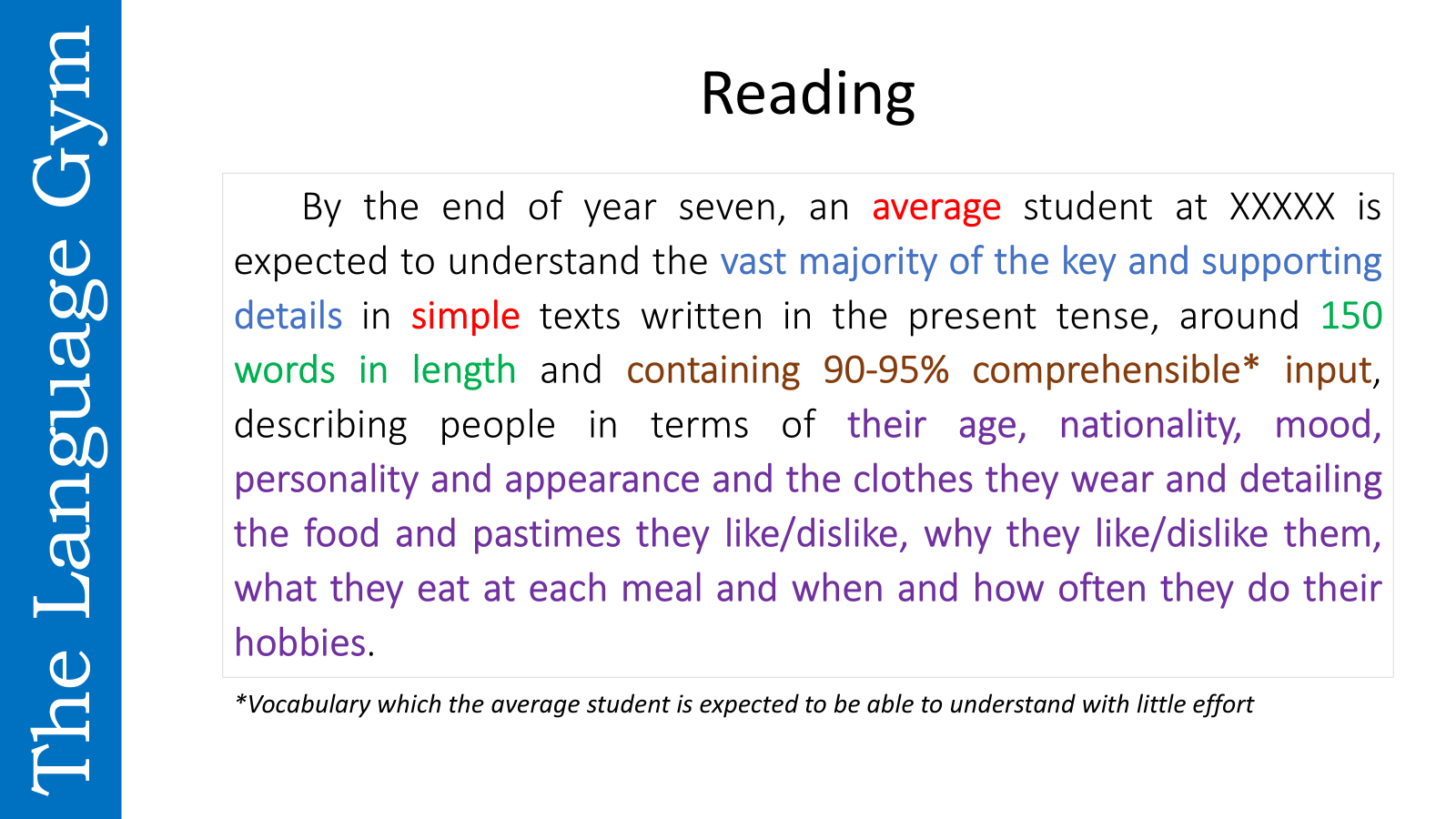


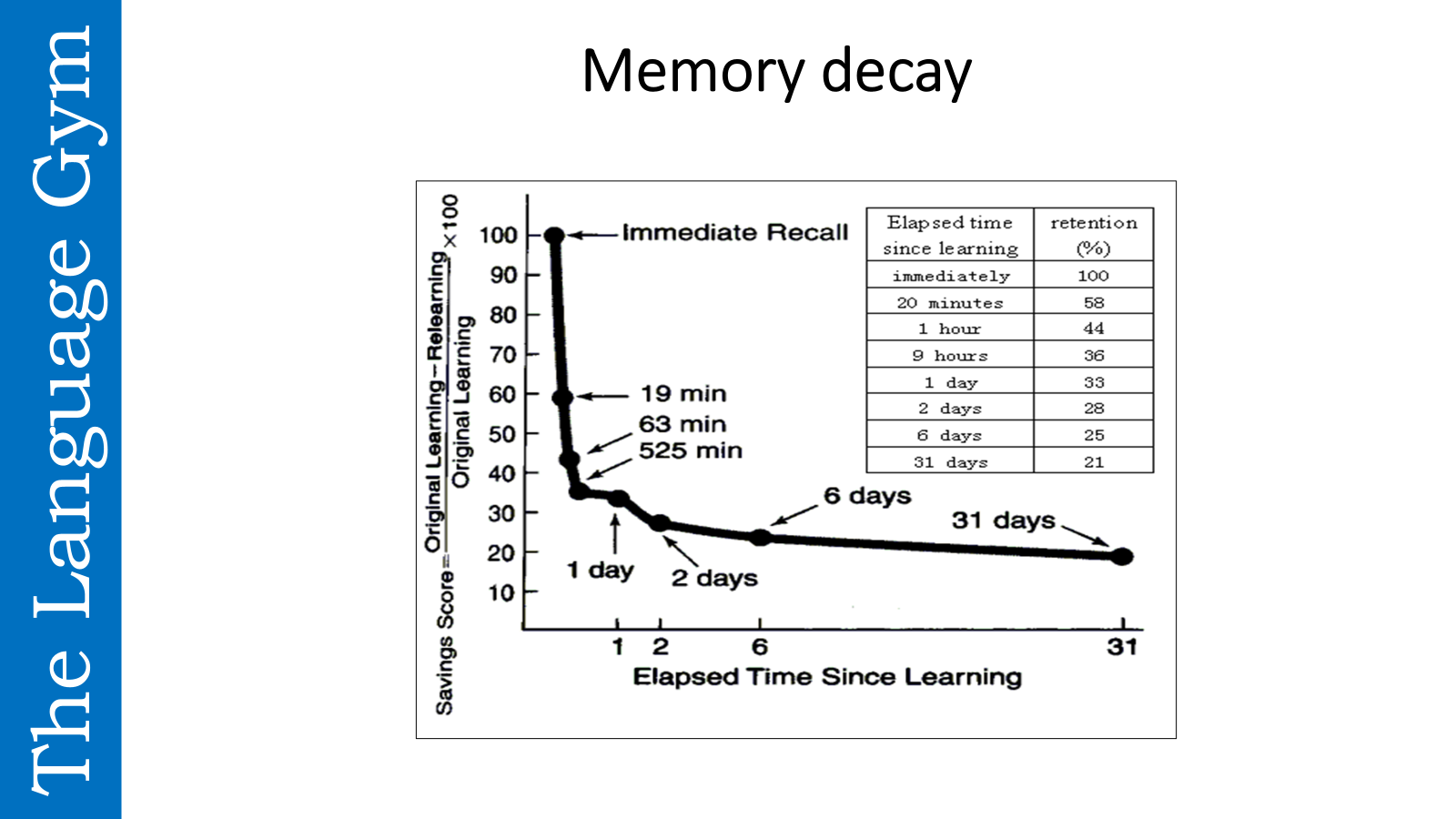
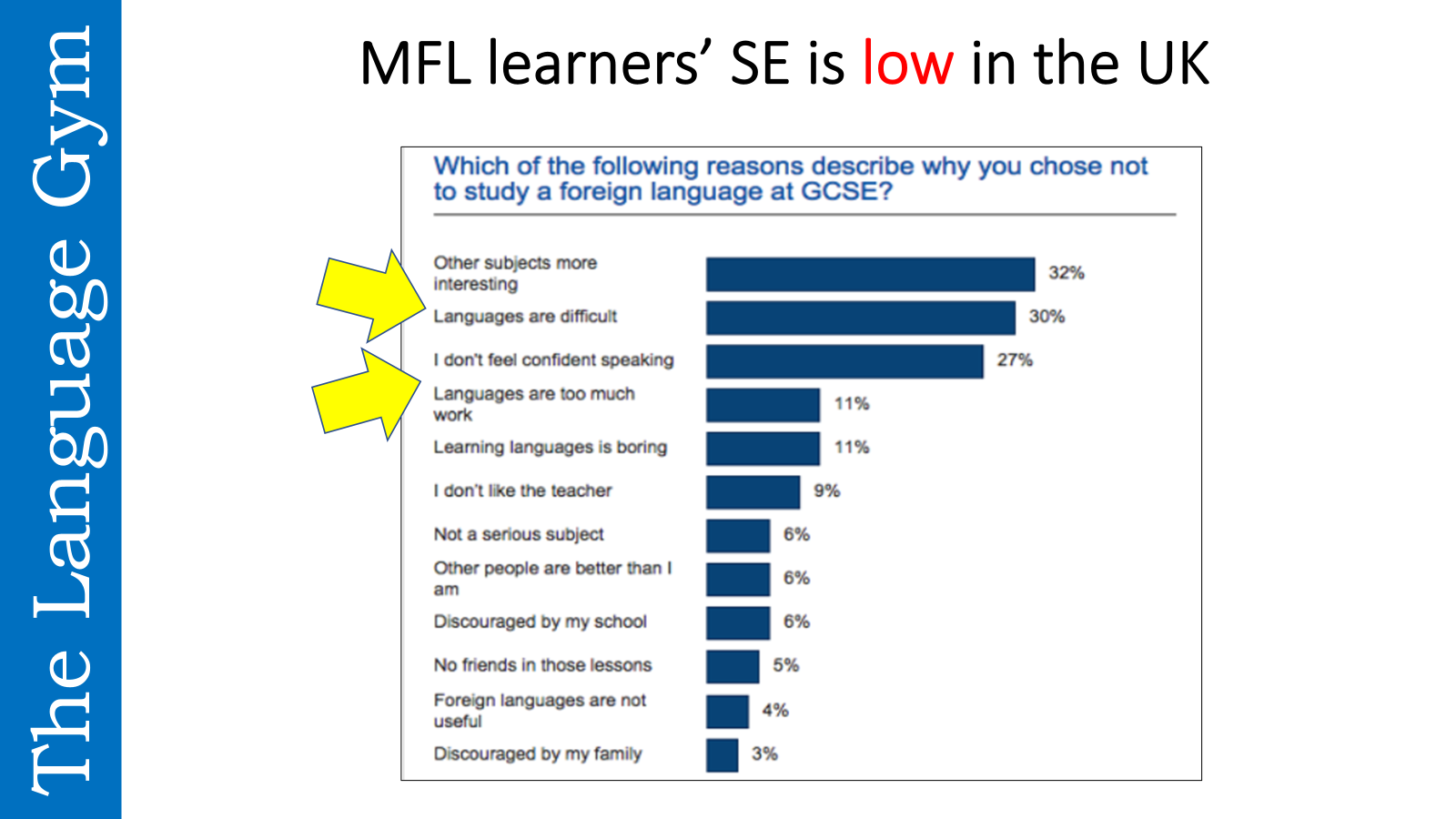

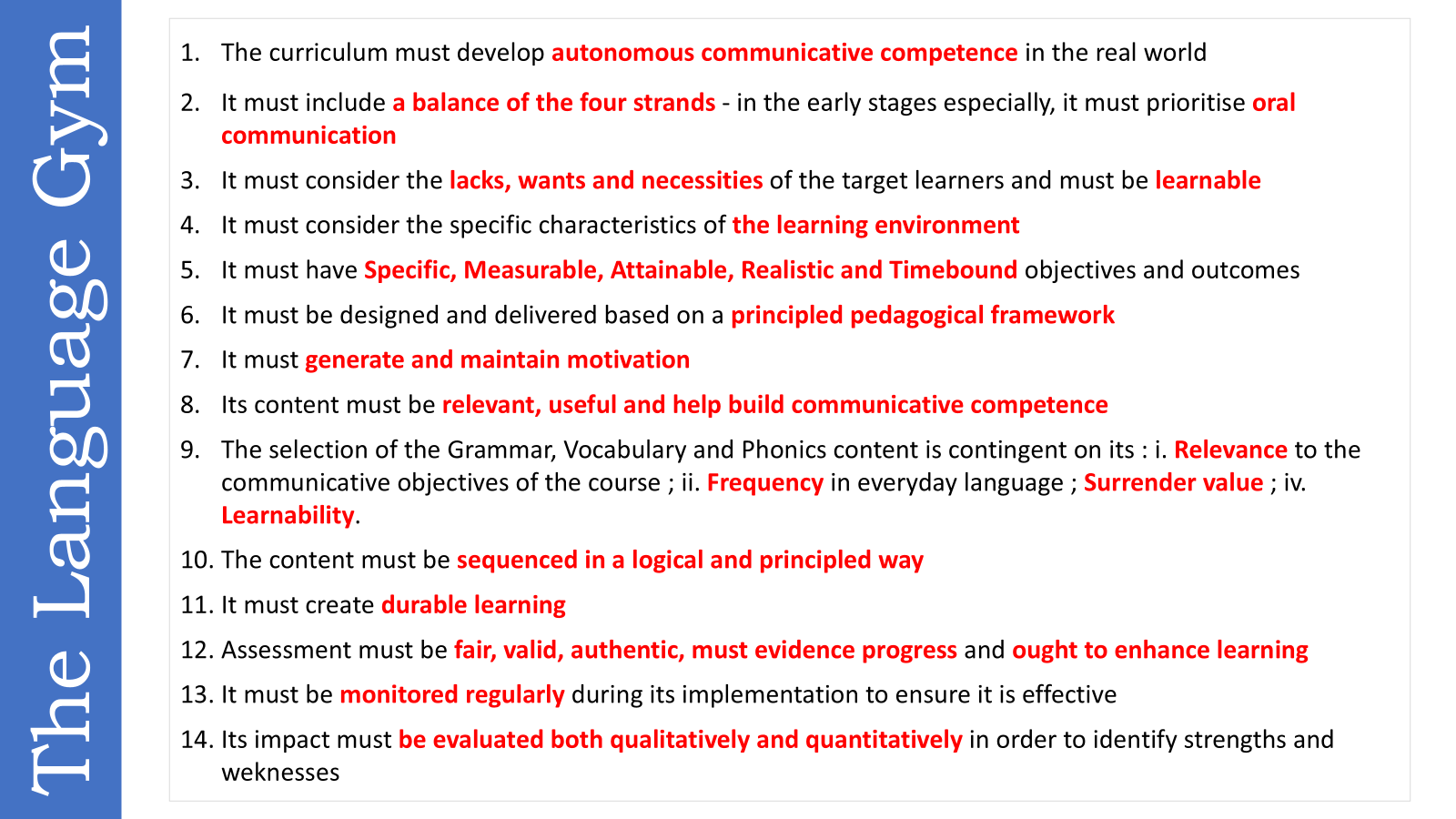
 The Language Gym
You must be logged in to post a comment.